
Top Vitamin E Foods You Should Be Eating Daily
Glowing skin, strong immunity, and healthy aging are three things almost everyone wants — yet most people overlook the one nutrient working quietly behind all three: vitamin E.
Unlike trendier nutrients that come and go with social media cycles, vitamin E has stood the test of time as one of the most essential antioxidants for the human body. It protects your cells, supports your skin, and plays a real role in long-term holistic wellness — yet most people aren’t eating nearly enough of it.
The good news is that you don’t need fancy supplements or expensive serums to get your daily dose. The best vitamin E foods are simple, accessible, and easy to build into your everyday healthy eating habits.
In this guide, we’ll cover exactly what vitamin E does for your body, the top vitamin E foods to add to your plate, and practical nutrition tips to help you build healthy habits that stick.
Why Vitamin E Deserves a Place in Your Healthy Living Routine
Vitamin E is a fat-soluble nutrient that functions primarily as a powerful antioxidant, protecting your cell membranes from oxidative stress caused by free radicals. Vitamin E is classified as an essential nutrient for the human body, meaning it cannot be produced internally and must come from your diet.
Here’s why vitamin E should be on every wellness tips checklist:
Skin Health: Vitamin E helps protect skin cells from sun damage and supports skin barrier repair, making it one of the most overlooked self-care practices for naturally healthier skin.
Immune Function: As a powerful antioxidant, vitamin E protects immune cells from oxidative damage, helping your body fight off illness more effectively — a key pillar of holistic wellness.
Heart Health: Vitamin E supports healthy blood vessels and may help reduce the buildup of oxidative damage linked to cardiovascular issues, making it relevant to anyone serious about long-term healthy living.
Brain & Nervous System Support: Vitamin E deficiency primarily affects tissues with high fatty acid content, especially the nervous system, which can lead to issues like muscle weakness and nerve problems over time. Maintaining healthy levels supports both physical and mental wellness.
Eye Health: As an antioxidant, vitamin E helps protect the eyes from oxidative stress, supporting long-term vision health as part of a holistic approach to healthy aging.
Government health organizations generally recommend adults consume between 3 and 15 mg of vitamin E per day, though global dietary surveys show the median actual intake is closer to 6.2 mg daily for many populations — meaning a meaningful portion of people fall short of optimal levels.
Signs You May Need More Vitamin E
While severe vitamin E deficiency is rare and usually tied to underlying fat malabsorption issues rather than diet alone, mild insufficiency is more common than people realize. Building awareness around your nutrition is one of the simplest self-care practices you can adopt.
Watch for these signs:
- Dry or rough skin that doesn’t improve with moisturizer alone
- Frequent muscle weakness or fatigue
- Slow wound healing
- Brittle hair or nails
- Increased susceptibility to colds and infections
- Vision changes or eye strain
- Tingling or numbness in hands and feet
If any of these sound familiar, it may be time to prioritize vitamin E foods as part of your daily healthy eating habits.
Top Vitamin E Foods to Add to Your Diet Today
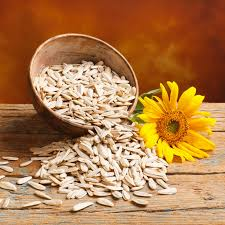
1. Sunflower Seeds — 7.4mg per 30g (about 49% DV)
Sunflower seeds are one of the richest natural sources of vitamin E available. A small 30g handful delivers nearly half your daily requirement, making them one of the easiest wellness tips to put into practice immediately.
They’re also rich in magnesium, selenium, and healthy fats — making them a true holistic wellness food.
How to eat them: Sprinkle over salads, blend into homemade granola, or snack on roasted seeds between meals.
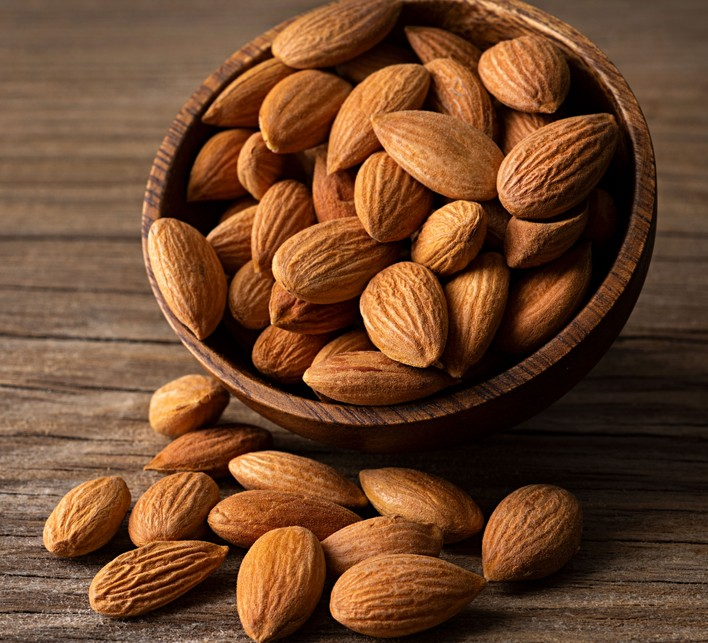
2. Almonds — 7.3mg per 30g (about 49% DV)
Almonds are practically tied with sunflower seeds for the top spot, and they’re far more versatile in everyday cooking. This makes them one of the most practical nutrition tips for anyone trying to build sustainable healthy habits.
Almonds also support fitness motivation, thanks to their combination of healthy fats, fiber, and protein that helps sustain energy through workouts.
How to eat them: Eat raw as a snack, blend into almond butter, or add sliced almonds to oatmeal and salads.
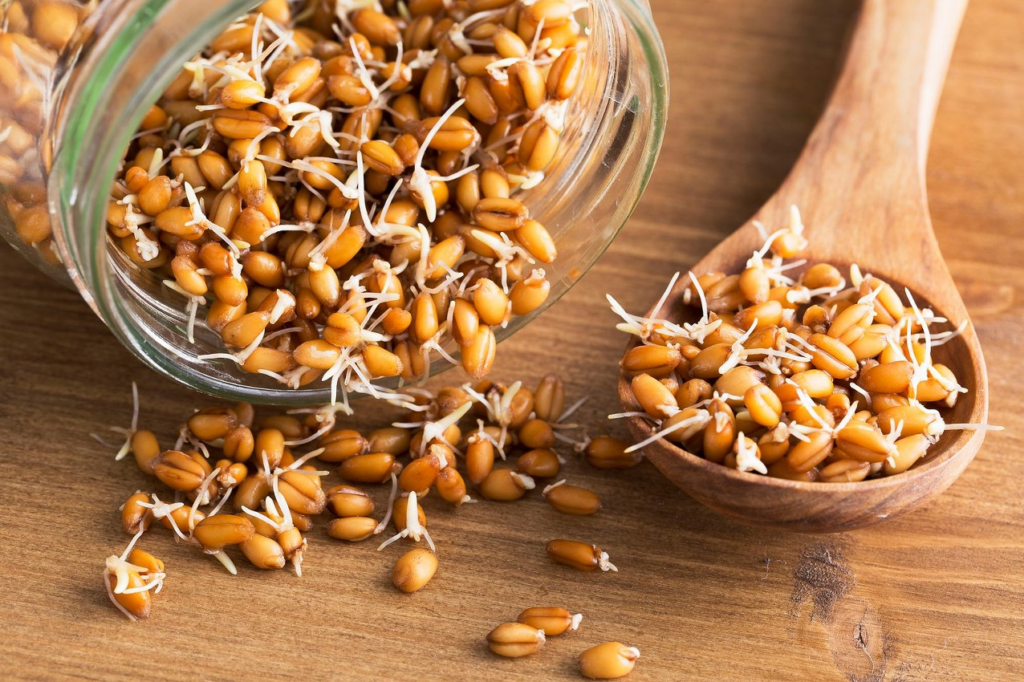
3. Wheat Germ — 4.5mg per 2 tablespoons (about 30% DV)
Wheat germ is one of the most concentrated whole-food sources of vitamin E. Sources rich in vitamin E include seeds, nuts, seed oils, and wheat germ, making it a staple ingredient for anyone serious about holistic wellness through food.
It’s also packed with fiber, folate, and B vitamins, supporting digestion and sustained energy throughout the day.
How to eat it: Sprinkle over yogurt, mix into smoothies, or stir into oatmeal for an easy vitamin E boost.
4. Sunflower Oil — 5.6mg per tablespoon (about 37% DV)
Cooking oils matter more than most people realize when it comes to building healthy eating habits. Sunflower oil stands out as one of the most vitamin E–dense cooking oils, making a simple swap from refined oils an easy win.
How to use it: Use for light sautéing, salad dressings, or drizzling over roasted vegetables.

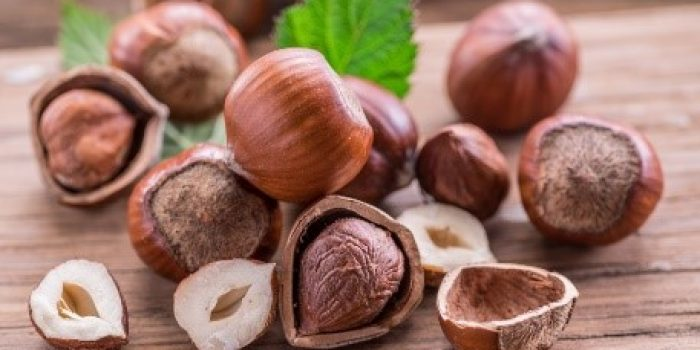
5. Hazelnuts — 4.3mg per 30g (about 29% DV)
Hazelnuts bring a rich, satisfying crunch along with a strong dose of vitamin E. They’re a favorite among nutrition-focused snackers and pair beautifully with dark chocolate for a treat that supports both mental wellness and self-care practices.
How to eat them: Add to trail mix, blend into homemade nut butter, or enjoy roasted as a snack.
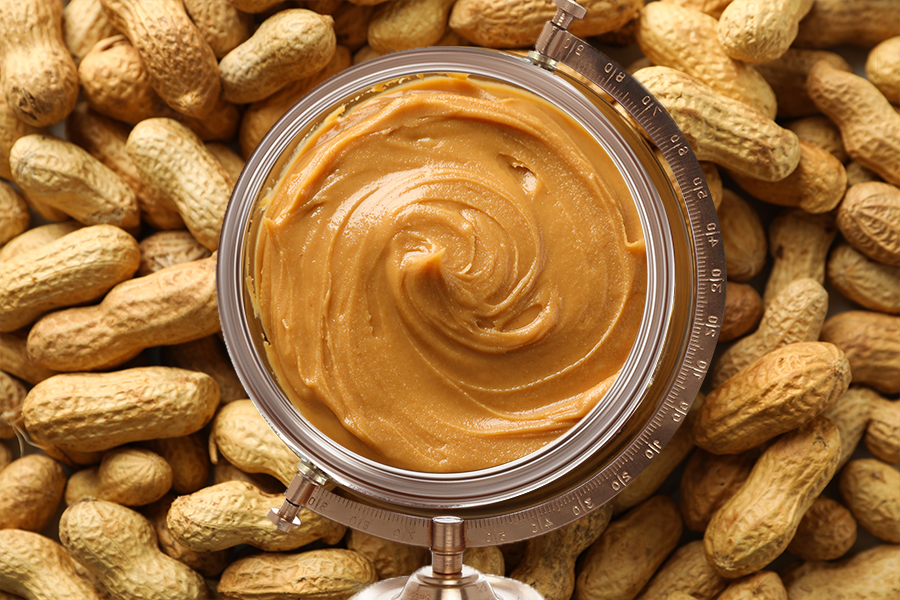
6. Peanuts and Peanut Butter — 2.2mg per 30g (about 15% DV)
Peanuts and peanut butter are among the most accessible vitamin E foods for everyday healthy living, especially given their affordability and widespread availability in Indian households. Sources rich in vitamin E include peanut butter, making it a practical staple for anyone building consistent healthy eating habits.
How to eat them: Spread on whole grain toast, blend into smoothies, or use as a dip for fruit.
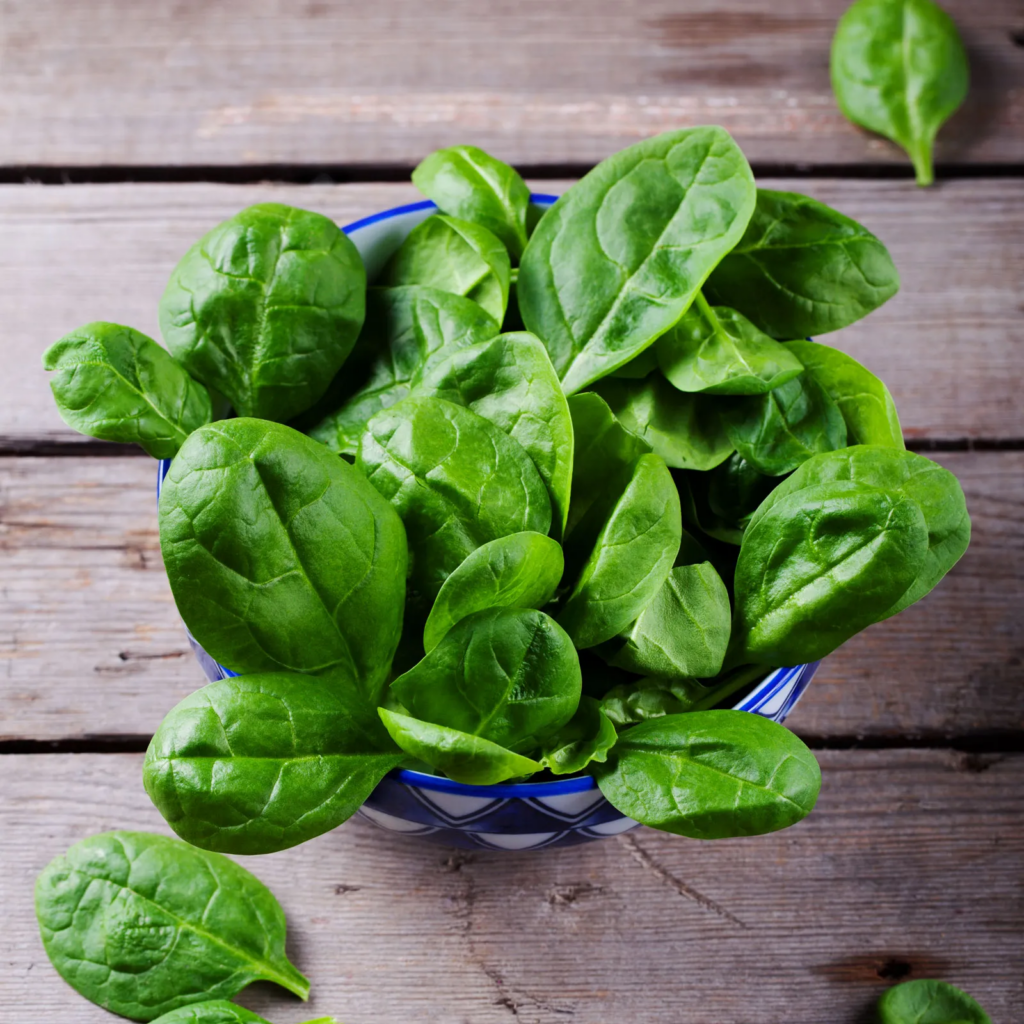
7. Spinach — 1.9mg per 100g cooked (about 13% DV)
Spinach continues to prove itself as one of the most nutrient-dense leafy greens for holistic wellness. Alongside iron and folate, it offers a meaningful dose of vitamin E, particularly when cooked with a touch of healthy fat to improve absorption since vitamin E is fat-soluble.
How to eat it: Sauté with olive oil and garlic, stir into dal, or blend into smoothies.
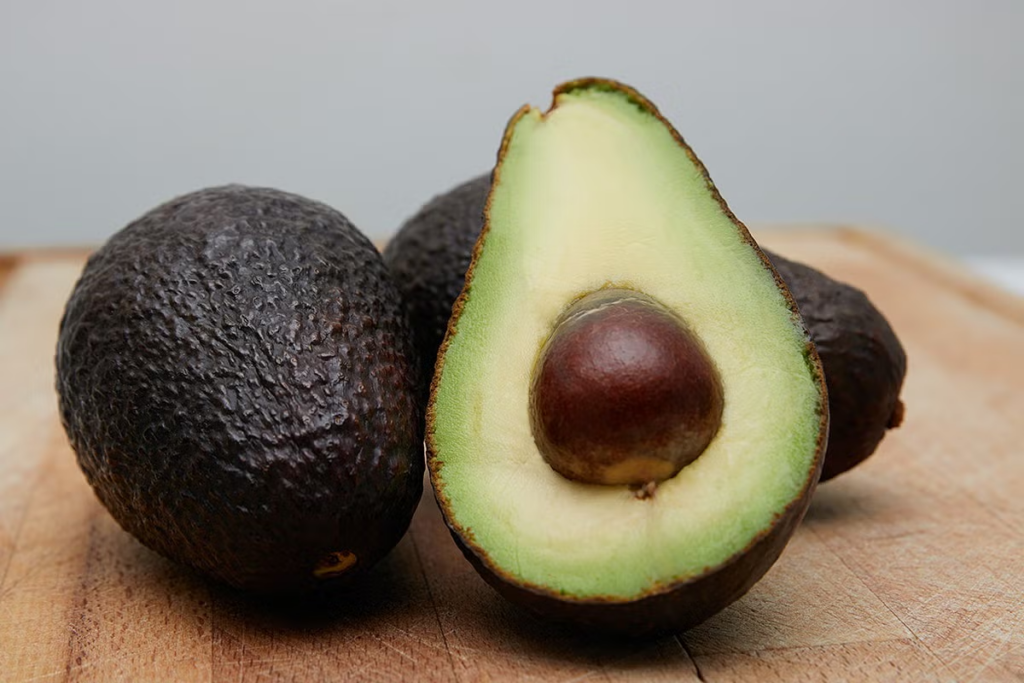
8. Avocado — 2.1mg per fruit (about 14% DV)
Avocado earns its reputation as a wellness powerhouse food, combining vitamin E with healthy monounsaturated fats that actually improve the body’s ability to absorb this fat-soluble vitamin.
How to eat it: Spread on toast, slice into salads, or blend into smoothies for a creamy texture boost.
9. Butternut Squash — 1.3mg per 100g cooked (about 9% DV)
Often overlooked in vitamin E conversations, butternut squash is a comforting, nutrient-dense addition to any healthy living meal plan. It pairs beautifully with warming spices, making it an easy seasonal staple.
How to eat it: Roast with olive oil and cinnamon, blend into soup, or mash as a side dish.
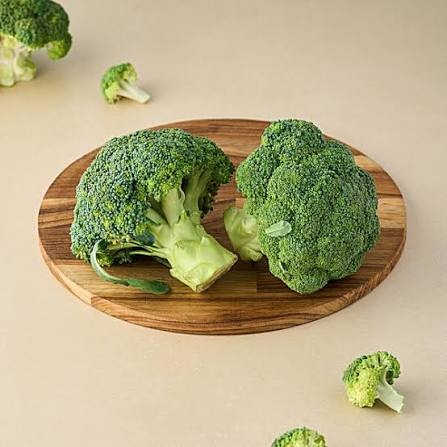
10. Broccoli — 1.5mg per 100g cooked (about 10% DV)
Broccoli rounds out this list as a reliable everyday source of vitamin E, fiber, and vitamin C — a combination that supports both immune function and skin health simultaneously.
How to eat it: Steam lightly to preserve nutrients, roast with garlic, or add to stir-fries.
A Sample Day of Vitamin E–Rich Eating
Here’s how a full day of healthy eating habits built around vitamin E foods might look:
- Breakfast: Oatmeal topped with a tablespoon of wheat germ and sliced almonds (approx. 4mg vitamin E)
- Mid-Morning Snack: A small handful of sunflower seeds (approx. 7mg vitamin E)
- Lunch: Spinach and avocado salad with peanut dressing (approx. 4mg vitamin E)
- Afternoon Snack: Peanut butter on whole grain toast (approx. 2mg vitamin E)
- Dinner: Roasted broccoli and butternut squash with olive oil (approx. 3mg vitamin E)
- Daily Total: ~20mg — comfortably covering the recommended daily range, achieved entirely through food.
Tips to Maximize Vitamin E Absorption
Since vitamin E is fat-soluble, your body needs dietary fat present to absorb it properly. Keep these wellness tips in mind:
- Pair vitamin E foods with healthy fats — olive oil, avocado, or nuts help maximize absorption
- Avoid overcooking vegetables — excessive heat can degrade vitamin E content
- Store oils properly — vitamin E–rich oils oxidize when exposed to heat and light, so keep them in cool, dark places
- Don’t rely on isolated supplements alone — whole foods provide a natural blend of all eight vitamin E vitamers, which work together more effectively than a single synthetic form
- Be mindful of upper limits — excessive vitamin E intake, especially through high-dose supplements, can interfere with blood clotting, so food-based sources are generally the safer long-term approach
Vitamin E for Skin and Anti-Aging
One of the most searched applications of vitamin E is its role in skin health. As a fat-soluble antioxidant, vitamin E protects cell membranes from oxidative stress — including the kind caused by UV exposure and pollution, two major contributors to premature skin aging.
Including vitamin E foods consistently in your diet supports this protection from the inside out, complementing any topical skincare routine. This makes vitamin E foods just as relevant to your self-care practices as your skincare shelf.
Final Thoughts
Building healthy habits around vitamin E foods is one of the simplest, most overlooked upgrades you can make to your daily nutrition. This isn’t about chasing the latest wellness trend — it’s about consistently choosing whole, nutrient-dense foods that protect your body at a cellular level.
Whether your goal is healthier skin, stronger immunity, better heart health, or simply supporting long-term holistic wellness, vitamin E is a quiet but powerful ally.
Start small. Add a handful of sunflower seeds to your morning routine. Swap your cooking oil. Keep almonds within reach for an afternoon snack. These small, sustainable healthy living choices compound over time into real, lasting results.
Your body has been asking for this vitamin. Now you know exactly where to find it.
Explore more nutrition tips, wellness tips, and healthy eating habits on FitFlame — your daily guide to healthy living, mental wellness, and holistic wellness.