
Health Benefits of Jaggery: Nature’s Natural Sweetener for Holistic Wellness
Long before refined sugar took over Indian kitchens, our grandmothers ended every meal with a small piece of jaggery. It wasn’t just tradition — it was wisdom passed down through generations as one of the simplest healthy habits for everyday wellness.
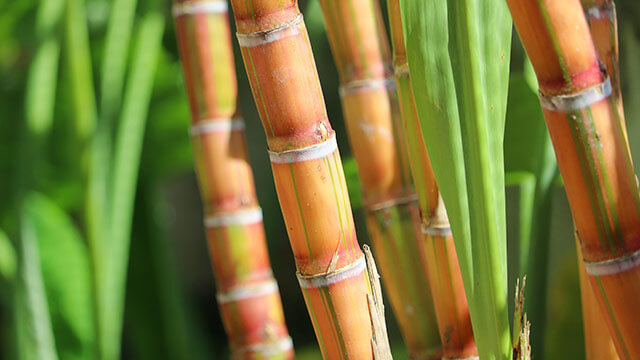
Jaggery, known as gur in Hindi, bella in Kannada, vellam in Tamil, and gul in Marathi, is a traditional unrefined sugar made by slow-boiling sugarcane juice or palm sap until it solidifies. Unlike heavily processed white sugar, jaggery retains its natural molasses, minerals, and nutrients — making it far more than just a sweet treat.
In this guide, we’ll explore the real, evidence-backed health benefits of jaggery, how it compares to refined sugar, and practical nutrition tips for including it safely as part of your healthy eating habits.
What Makes Jaggery Different from White Sugar
Jaggery is a type of unrefined sugar made primarily from sugarcane, though it can also be produced from palm sap or date palm. India remains the world’s largest jaggery producer, with major production happening across Uttar Pradesh, Bihar, Punjab, Andhra Pradesh, and Karnataka.
The biggest difference between jaggery and white sugar comes down to processing. While refined sugar strips away virtually all nutrients during manufacturing, jaggery retains natural molasses, which preserves minerals like iron, magnesium, potassium, and calcium. This is also why jaggery carries its distinctive golden-brown color and earthy flavor.
In Ayurveda, jaggery has earned the nickname “medicinal sugar” and is considered a warming food that helps balance the body’s Vata and Kapha doshas — one of the reasons it’s traditionally consumed more in winter months as part of seasonal healthy living practices.
Nutritional Profile of Jaggery
A realistic serving of jaggery is about one tablespoon (20g), not 100g, which is important context often missed in nutrition tips around this ingredient. One tablespoon of jaggery provides approximately 77 calories and around 2.2mg of iron, covering roughly 12% of your daily iron requirement.
Beyond iron, jaggery contains meaningful amounts of:
- Calcium — supports bone strength
- Magnesium — supports nerve and muscle function, plus stress management
- Potassium — helps regulate blood pressure and fluid balance
- Phosphorus — supports energy metabolism
- Natural antioxidants — help neutralize free radicals in the body
It’s worth noting that jaggery still carries a high glycemic index of around 84.4, which is comparable to white sugar. This means jaggery should be viewed as a smarter sugar swap rather than a health food to consume freely — a nuance that matters for sustainable healthy eating habits.
Top Health Benefits of Jaggery
1. A Natural Source of Iron That Supports Healthy Blood
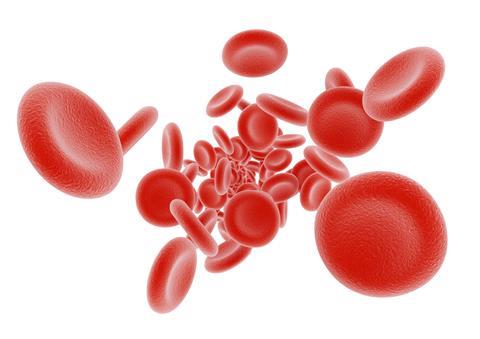
One of the most well-documented health benefits of jaggery is its role in supporting healthy hemoglobin levels. Regular jaggery consumption, especially when paired with other iron-rich foods, may help improve hemoglobin levels and support those managing mild anemia.
This is particularly relevant for an Indian audience, where iron deficiency remains common, especially among women. Adding a small piece of jaggery to your diet is one of the easier nutrition tips for naturally supporting healthy blood.
2. Supports Respiratory Health and Eases Asthma Symptoms
Jaggery’s iron content does more than support blood health — it may also support respiratory wellness. By improving hemoglobin levels, jaggery can help enhance oxygen-carrying capacity in the blood, which may offer relief for individuals dealing with allergic asthma, bronchitis, or wheezing.
This makes jaggery a traditional remedy worth respecting as part of holistic wellness, particularly during seasonal weather changes.
3. Acts as a Natural Antioxidant
Excess free radicals in the body contribute to cellular damage and a wide range of chronic health issues over time. Jaggery contains a meaningful concentration of natural antioxidants, which may help neutralize these free radicals and support the body’s overall defense systems.
This antioxidant property aligns well with broader holistic wellness goals, complementing other antioxidant-rich foods in your diet.
4. Helps Regulate Blood Pressure
Jaggery contains both sodium and potassium, two minerals that work together to help maintain healthy fluid and acid balance in the body. This combination supports normal blood pressure regulation, making jaggery a small but meaningful contributor to heart-healthy eating habits.

5. Aids Digestion Naturally
A long-standing Ayurvedic and household practice involves eating a small piece of jaggery after meals to support digestion. Jaggery is believed to help activate digestive enzymes, easing common issues like bloating, acidity, and indigestion.
This simple after-meal ritual is one of the most practical self-care practices rooted in traditional Indian wellness culture.

6. Provides Sustained, Steady Energy
Unlike refined sugar, which causes a rapid spike and crash in blood glucose, jaggery is digested somewhat more slowly due to its molasses content. This allows for a more gradual release of energy, helping to prevent the sudden fatigue that often follows sugary snacks.
For anyone focused on fitness motivation and maintaining steady energy through the day, this makes jaggery a more thoughtful choice than processed sweets, when consumed in moderation.
7. Supports Healthy Joints and Bones
Jaggery’s mineral content, particularly calcium and phosphorus, contributes to bone strength over time. Traditional use also credits jaggery with helping relieve joint discomfort, working alongside its broader role in strengthening the body’s nerves and muscles.

8. Helps Relieve Menstrual Discomfort
Jaggery has long been used in combination with supportive herbs to help ease menstrual cramps. It’s believed to support the release of endorphins, which can help relax muscles and reduce the intensity of period-related discomfort — a small but valuable piece of self-care practices for many women.
9. Supports Eye Health
Jaggery contains vitamin A, an essential nutrient for maintaining healthy vision. Regular, moderate consumption may contribute to supporting eye health as part of a broader, nutrient-diverse diet.

10. Helps the Body Eliminate Toxins
Jaggery is traditionally regarded as a natural detoxifying agent, helping to cleanse the liver and support the body’s natural elimination processes. This detoxifying reputation also extends to skin health, with many believing consistent, moderate jaggery consumption contributes to a healthier, more radiant complexion.
How to Add Jaggery to Your Healthy Eating Habits
Including jaggery thoughtfully in your diet doesn’t require dramatic changes. Here are simple ways to bring it into your everyday healthy living routine:
- After meals: A small piece (10–15g) to support digestion, following traditional practice
- In chai: Replace white sugar with grated jaggery for a warmer, earthier flavor
- In desserts: Use jaggery instead of refined sugar in traditional sweets like ladoos and chikki
- In warm milk: Combine with a pinch of dry ginger powder for a comforting winter drink
- In cooking: Add to dals and curries for a subtle natural sweetness in regional recipes
Precautions and Who Should Be Careful
While jaggery offers genuine advantages over refined sugar, it’s essential to remember that it remains a form of sugar with a high glycemic index. The mineral content does not make it suitable for unlimited consumption, and a few important precautions apply:
- Diabetics and prediabetics should consult a doctor before regularly consuming jaggery, given its high glycemic index
- Weight management can be affected by excess jaggery intake, since it still carries meaningful calories
- Moderation matters — a recommended dosage is generally around 10 to 15g per day for healthy individuals
- Quality matters — always purchase firm, mould-free jaggery blocks from reliable local producers to avoid adulteration
- Storage matters — keep jaggery in a dry, cool place in an airtight container to prevent it from softening or attracting pests
These precautions aren’t meant to discourage jaggery use — they’re simply part of building sustainable, informed healthy habits rather than viewing any single food as a cure-all.
Jaggery vs. White Sugar: The Bigger Picture
It’s tempting to label jaggery as a “health food,” but the more accurate framing is that jaggery is a comparatively healthier alternative to refined sugar — not a substitute for an otherwise balanced, nutrient-dense diet. It offers real advantages: minerals that white sugar lacks entirely, a slightly more gradual energy release, and a flavor profile that often satisfies sugar cravings with smaller quantities.
For anyone working on healthy eating habits, swapping refined sugar for jaggery in tea, desserts, and traditional recipes is a small, sustainable shift that aligns with broader wellness tips — without requiring you to give up the foods and traditions you love.
Final Thoughts
Jaggery’s place in Indian kitchens isn’t just nostalgic — it’s backed by genuine nutritional substance. From supporting healthy hemoglobin and digestion to offering antioxidant protection and mineral content that refined sugar simply doesn’t have, jaggery deserves its reputation as nature’s gift to holistic wellness.
The key, as with most things in healthy living, lies in moderation and mindful sourcing. Used thoughtfully, jaggery can be a small, traditional ally in your broader journey toward sustainable healthy habits, balanced nutrition, and long-term mental wellness through the comfort of familiar, time-tested foods.
Explore more nutrition tips, wellness tips, and healthy eating habits on FitFlame — your daily guide to healthy living, mental wellness, and holistic wellness.