
Top 10 Anti-Inflammatory Foods You Should Be Eating Every Day
Joint stiffness, constant fatigue, skin flare-ups, and that nagging feeling of being “puffy” or inflamed — these everyday complaints are often dismissed as normal parts of life. In reality, they’re frequently signs of chronic, low-grade inflammation quietly building up inside the body.
Unlike the acute inflammation that shows up after an injury, chronic inflammation tends to be invisible day to day. Yet over time, it’s been linked to heart disease, type 2 diabetes, joint pain, and accelerated aging. The encouraging part is that one of the most powerful tools against it isn’t a medication — it’s your plate.
Building healthy eating habits around anti-inflammatory foods is one of the simplest, most sustainable nutrition tips you can act on starting today. In this guide, we’ll explore exactly how inflammation works, the top anti-inflammatory foods to add to your diet, and practical wellness tips to make this a lasting part of your healthy living routine.
Why Anti-Inflammatory Foods Matter for Holistic Wellness
To understand why food matters so much here, it helps to understand inflammation itself. Your body’s immune system uses inflammation as a natural defense mechanism — it’s how you heal a cut or fight off a cold. Problems begin when this response doesn’t switch off and instead becomes chronic, low-grade, and constant.
Researchers measure this kind of inflammation through biomarkers, and a food earns the “anti-inflammatory” label when its consumption is linked to reduced levels of these inflammatory markers, including CRP, IL-6, and TNF-alpha. These markers are tied to the chronic, low-grade inflammation linked to heart disease, type 2 diabetes, certain cancers, and autoimmune conditions.
Here’s why this matters across every part of your healthy living routine:
Fitness Motivation & Recovery: Chronic inflammation contributes to joint stiffness and slower muscle recovery, which can quietly sabotage fitness motivation. Reducing inflammation through food supports faster recovery and more consistent training.
Mental Wellness: Emerging research increasingly links chronic inflammation to mood disturbances, making an anti-inflammatory diet relevant to mental wellness, not just physical health.
Stress Management: Chronic stress and chronic inflammation feed into each other in a vicious cycle. Anti-inflammatory foods help interrupt that loop, supporting better stress management over time.
Heart & Metabolic Health: Three categories of compounds do the heavy lifting against inflammation: omega-3 fatty acids, polyphenols, and fiber — all of which support cardiovascular and metabolic health simultaneously.
Healthy Aging: Reduced chronic inflammation is associated with slower visible aging and better skin health, making it a quiet pillar of long-term holistic wellness.
The good news is that most of these benefits don’t require dramatic dietary overhauls. They’re built through small, consistent healthy habits — the kind that compound into real results over months and years.
How Anti-Inflammatory Foods Actually Work
Anti-inflammatory foods generally work through three main mechanisms:
Omega-3 Fatty Acids inhibit pro-inflammatory eicosanoid production and activate specialized pro-resolving mediators that help the body shut down inflammatory cascades naturally.
Polyphenols, including flavonoids, anthocyanins, and phenolic acids, work by suppressing the NF-kB signaling pathway, one of the master switches of inflammation at the cellular level.
Fiber supports a healthy gut microbiome, which plays a far larger role in regulating systemic inflammation than most people realize. High fibre content from foods like lentils, beans, and whole grains helps nourish beneficial gut bacteria, contributing to a more balanced microbiome.
Understanding this gives you a simple filter for building your own anti-inflammatory plate: prioritize colorful produce, healthy fats, whole grains, and fiber-rich legumes — and you’re already covering all three mechanisms at once.
Top Anti-Inflammatory Foods to Add to Your Diet Today
1. Turmeric
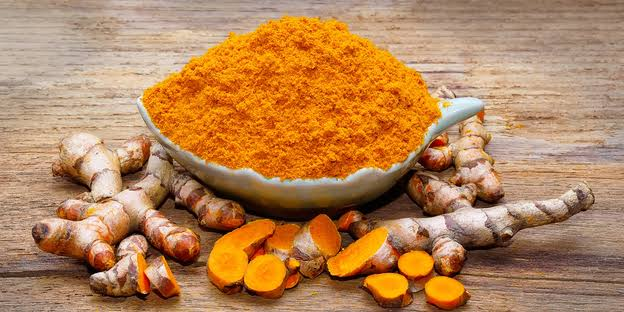
Turmeric has earned its place as one of the most talked-about anti-inflammatory spices in the world, and for good reason. Curcumin, the active compound in turmeric, offers strong anti-inflammatory support and helps maintain metabolic balance. It’s a staple of Indian kitchens already, making this one of the easiest healthy habits to lean into further.
How to eat it: Add to dal, curries, and rice dishes, or mix into warm milk with a pinch of black pepper (which boosts absorption) for a comforting turmeric latte.
2. Ginger
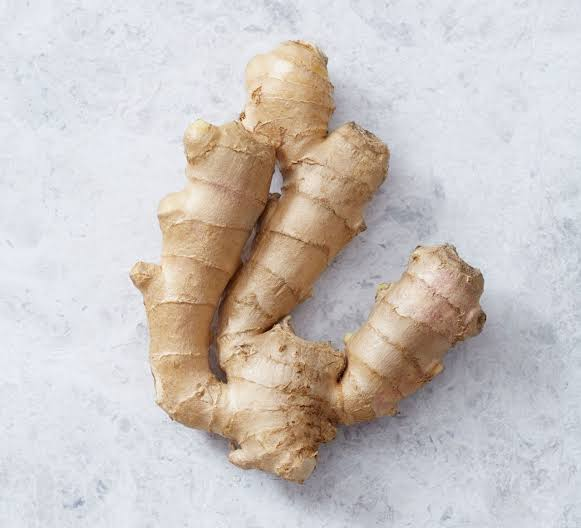
Ginger works alongside turmeric as a powerful anti-inflammatory root, commonly used in teas, smoothies, and cooking. It’s particularly effective for digestive comfort and joint discomfort, making it a practical addition to everyday nutrition tips.
How to eat it: Steep fresh slices in hot water for tea, grate into stir-fries, or blend into morning smoothies.
3. Berries (Blueberries, Strawberries, Raspberries, Blackberries)
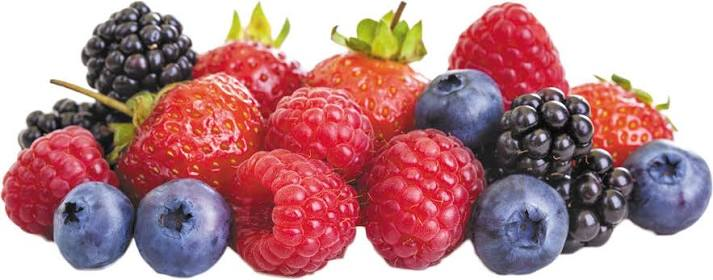
Berries are some of the most antioxidant-rich foods available. Their deep colors come from anthocyanins, a group of flavonoids widely studied for their influence on inflammation pathways, and research suggests that regular berry consumption may help reduce markers of inflammation and support vascular health.
How to eat them: Add to smoothies, mix into yogurt, sprinkle over oatmeal, or enjoy on their own as a naturally sweet snack.
4. Leafy Greens (Spinach, Kale, Swiss Chard)
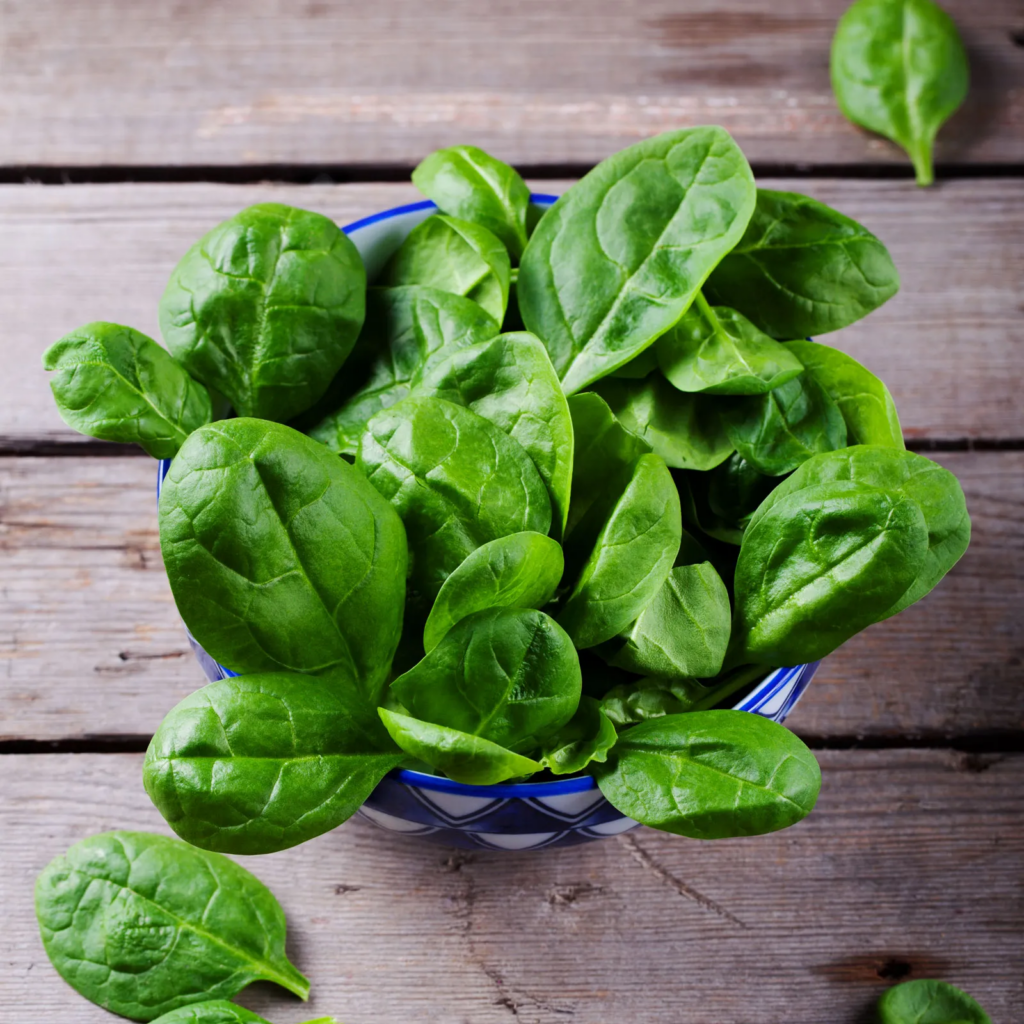
Leafy greens are foundational to any holistic wellness approach to eating. They’re rich in antioxidants, fiber, and a wide range of vitamins that support the body’s normal inflammatory response while doubling as a base for countless healthy eating habits.
How to eat them: Sauté with garlic and olive oil, stir into dal, or blend into green smoothies.
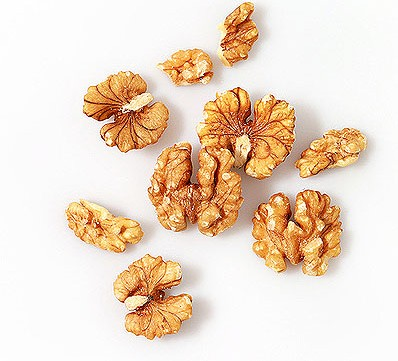
5. Walnuts and Other Nuts
Walnuts and similar nuts are consistently named among the top anti-inflammatory foods, largely thanks to their plant-based omega-3 content alongside polyphenols and healthy fats. They’re a practical snack for anyone building consistent fitness motivation and sustained energy throughout the day.
How to eat them: Snack on a small handful, add to salads, or blend into homemade granola.
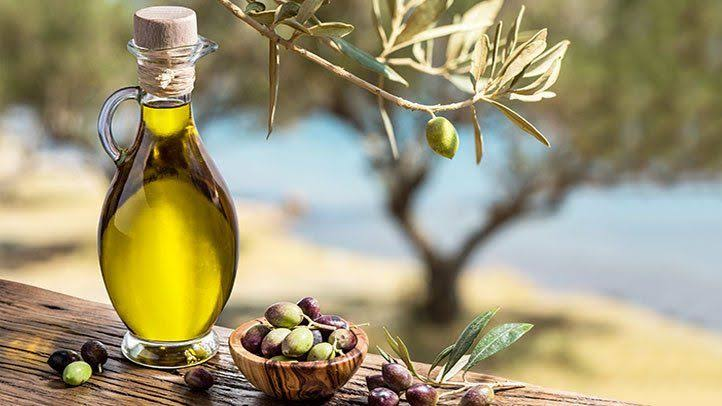
6. Extra Virgin Olive Oil
Extra virgin olive oil is frequently ranked among the most powerful anti-inflammatory foods available, owing to its rich polyphenol content and healthy monounsaturated fat profile. Swapping refined cooking oils for olive oil is one of the simplest self-care practices for long-term heart health.
How to use it: Drizzle over salads, use for light sautéing, or finish roasted vegetables with a spoonful for added flavor and nutrition.
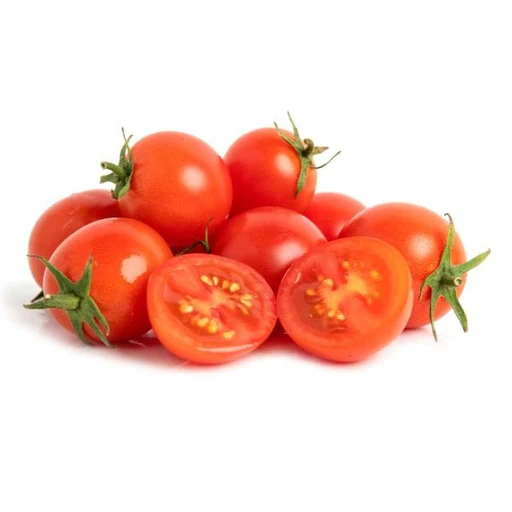
7. Tomatoes
Tomatoes contain lycopene, a powerful antioxidant known for its protective properties against inflammation. Interestingly, lycopene becomes more bioavailable when tomatoes are cooked, meaning tomato-based curries, soups, and sauces offer even greater benefits than raw tomatoes alone.
How to eat them: Cook into curries, simmer into soups, or roast with olive oil and herbs.
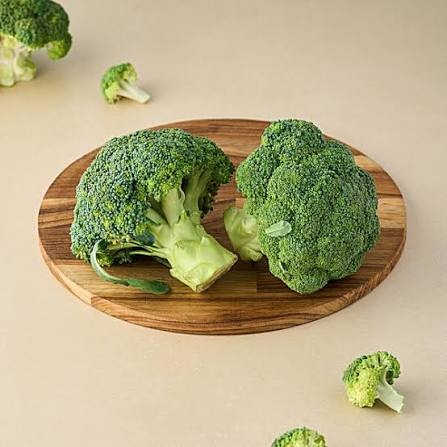
8. Broccoli
Broccoli contains the antioxidant sulforaphane, which helps lower two key inflammation-producing molecules in the body. It’s a reliable, everyday vegetable that fits easily into almost any healthy living meal plan.
How to eat it: Steam lightly to preserve nutrients, roast with garlic, or toss into stir-fries.
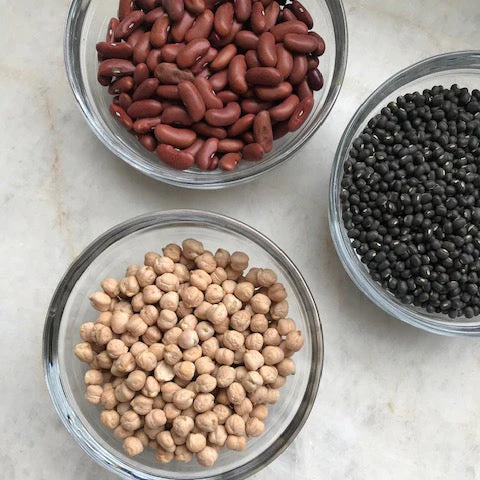
9. Lentils, Black Beans, and Chickpeas
Legumes are valuable sources of plant protein, fiber, and polyphenols, and their slow-digesting carbohydrates make them a helpful staple of any anti-inflammatory eating pattern. For a vegetarian-focused diet, they’re one of the most versatile and budget-friendly options on this entire list.
How to eat them: Cook into dal, add to soups and stews, or blend into homemade dips like hummus.
10. Green Tea
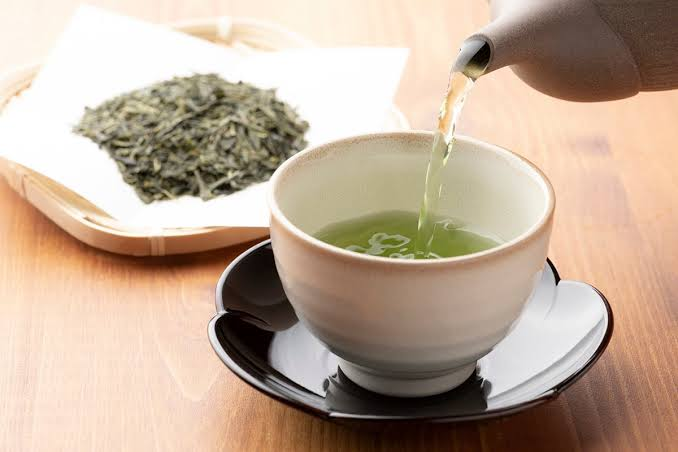
Green tea tops the list of anti-inflammatory drinks. Its catechins, particularly EGCG, demonstrate powerful antioxidant and anti-inflammatory effects, and research links regular green tea consumption to a reduced risk of heart disease and other chronic conditions. Aiming for two to three cups daily is a simple, low-effort wellness tip with outsized benefits.
How to drink it: Enjoy hot in the morning, iced in the afternoon, or lightly sweetened with honey for a gentler flavor.
Foods That Trigger Inflammation — What to Limit
Building healthy eating habits isn’t only about what to add — it’s also about being mindful of what tends to work against your goals. Common inflammation-triggering foods include refined carbohydrates like white bread and pasta, fried foods, processed and red meats, high-sugar foods like sodas and candy, and trans fats found in many commercial baked goods.
A few sneaky culprits are also worth watching for, including margarine, non-dairy coffee creamers, and refrigerated dough products — none of which are obviously “unhealthy” at first glance, but all of which can quietly work against your wellness goals.
This isn’t about strict elimination or guilt — it’s about gradual, sustainable healthy habits that shift the overall balance of your diet over time.
A Sample Day of Anti-Inflammatory Eating
Here’s how a full day of healthy eating habits built around anti-inflammatory foods might look:
- Breakfast: Overnight oats topped with walnuts and blueberries, plus a cup of green tea
- Mid-Morning Snack: A small handful of mixed nuts and a piece of fresh fruit
- Lunch: Lentil and spinach curry with turmeric and ginger, served with brown rice
- Afternoon Snack: Hummus with fresh vegetable sticks
- Dinner: Roasted broccoli and tomato-based vegetable curry, finished with a drizzle of extra virgin olive oil
This kind of day naturally incorporates all three anti-inflammatory mechanisms — omega-3s, polyphenols, and fiber — without requiring any special products or supplements.
Practical Tips to Build an Anti-Inflammatory Routine
Turning this into a lasting habit, rather than a short-lived diet, is what actually matters long term. Here are a few wellness tips to make it stick:
- Add color gradually — aim to include at least one colorful fruit or vegetable at every meal
- Cook with anti-inflammatory spices daily — turmeric and ginger are easy to fold into Indian cooking you likely already do
- Swap your cooking oil — choose extra virgin olive oil where appropriate for an easy, low-effort upgrade
- Build a fiber habit — include a serving of lentils, beans, or whole grains in at least one meal a day
- Stay consistent over time — anti-inflammatory benefits build gradually through repeated exposure, not a single “detox” meal
Final Thoughts
Chronic inflammation often develops silently, but the foods on your plate have real, measurable power to influence it. Building healthy habits around anti-inflammatory foods isn’t about restriction or chasing a trend — it’s about consistently choosing whole, colorful, nutrient-dense foods that support your body at a cellular level.
Whether your goal is better joint comfort, improved mental wellness, stronger fitness motivation, or simply supporting long-term holistic wellness, an anti-inflammatory way of eating offers a sustainable path forward.
Start with one small shift today — a turmeric-spiced dal, a handful of walnuts, a daily cup of green tea. These small, consistent choices are the foundation of real, lasting healthy living.
Explore more nutrition tips, wellness tips, and healthy eating habits on FitFlame — your daily guide to healthy living, mental wellness, and holistic wellness.